
Ten days. That’s all that’s left.
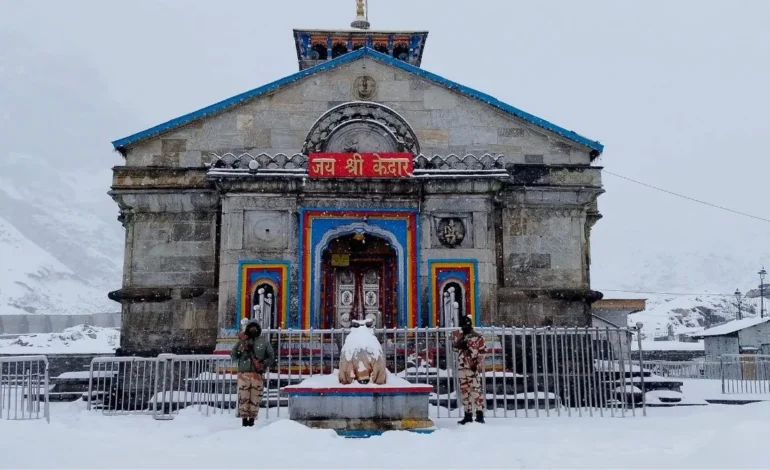
On 22 April 2026, at exactly 8 AM, the doors of Kedarnath Dham will open for the first time this year. The chanting will begin, the bells will ring, and lakhs of devotees who have been waiting since November will finally get their darshan.
I’ve been planning my Kedarnath trip for the past six weeks. And in those six weeks, I made every possible mistake a first-timer can make — wrong registration timing, wrong route research, wrong assumptions about helicopter booking. I figured out each one the hard way, through canceled plans, full slots, and one very frustrating phone call with a tour operator.
So before you make the same mistakes, let me save you the trouble.
Mistake 1 — I Thought Registration Was Optional
This was my first and biggest mistake.
I casually started looking at Kedarnath travel plans thinking I’d register when I felt ready. Two weeks later when I finally went to register, slots for the opening week were already filling up fast.
Registration for Char Dham Yatra 2026 is completely mandatory. Every single pilgrim must register before starting the journey — no exceptions, no on-the-spot registration at the checkpoints. The Uttarakhand government tracks every pilgrim through a QR-code based yatra pass, and you will be stopped at multiple checkpoints if you don’t have it.
Register online at the official Uttarakhand Tourism portal. You’ll need your name, mobile number, ID proof, and travel dates. Once done, you get a unique registration number and a QR code yatra pass. Save it. Screenshot it. Print it if you can.
If you haven’t registered yet and you’re planning to go in the opening week — do it today, not tomorrow.
Mistake 2 — I Didn’t Know About the Mobile Ban Inside the Temple
I found this out from a friend who visited last season, and it stopped me from making a very embarrassing mistake at the temple gates.
In 2026, mobile phones and cameras are completely banned inside Kedarnath Temple premises. No photos, no reels, no videos inside the shrine. If you’re caught with your phone inside, you won’t be allowed darshan. Officers are strict about this — the temple committee made this rule specifically to restore the sanctity of the space.
You can still click photos outside the temple, around the complex, and during the trek. But the moment you enter the temple premises, your phone stays in your pocket or bag — ideally left at your guesthouse or the token counter outside.
I know this feels like a big deal in 2026. But honestly, after I thought about it — one hour of genuine darshan without a screen between me and the deity sounds like exactly the right thing.
Mistake 3 — I Assumed Helicopter Tickets Are Available Anytime
This one hurt the most.
I wanted to take the helicopter from Phata or Guptkashi to Kedarnath because I’m travelling with my mother who has knee problems. I thought helicopter tickets are always available — you just book a few days before.
Wrong. Completely wrong.
Helicopter slots for the opening week of Kedarnath fill up weeks in advance. Services operate from Phata, Sirsi, and Guptkashi — and all three were showing full slots when I checked for the first opening days. I managed to get a slot but only after checking three different operators and being flexible with my dates.
If you need a helicopter — for yourself, elderly parents, or anyone with health concerns — book right now. Not next week. Today. Prices also go up as the date approaches, so early booking saves money too.
One important warning: several fake operators and WhatsApp agents claim to sell Kedarnath helicopter tickets. Book only through the official UCADA portal or directly through government-approved operators. Don’t pay anyone who contacts you first.
Mistake 4 — I Underestimated the Trek
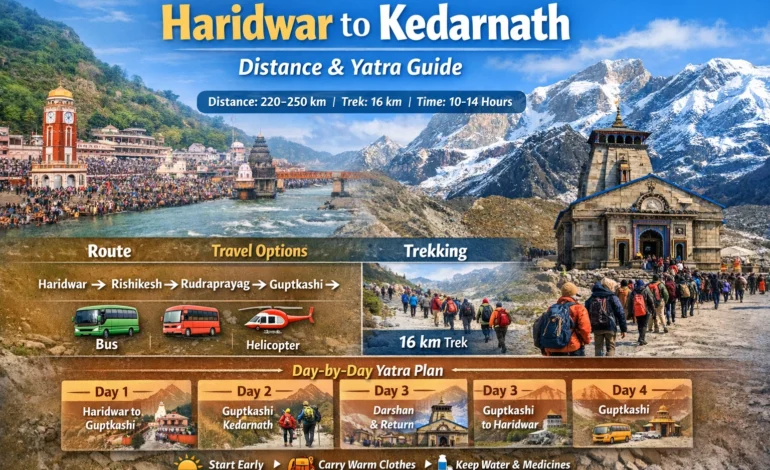
The Kedarnath trek is 16 kilometres from Gaurikund. I’m reasonably fit and I thought that’s nothing — I’ve done longer treks.
What I didn’t account for is the altitude. Kedarnath sits at 3,583 metres above sea level. The air is thin, the path is steep in several sections, and the weather in late April can be cold and unpredictable. Early morning temperatures near the temple can drop below zero even in April.
If you’re going in the opening days — late April — carry heavy woolens. A proper jacket, thermal inner layers, gloves, and waterproof shoes are not optional. The mountain doesn’t care that it’s April on the calendar.
Also carry basic medicines — paracetamol, ORS, altitude sickness tablets if your doctor recommends. Medical centres at Guptkashi and Sonprayag offer fitness certificates which are advisable to get before the trek, especially for anyone above 50 or with existing health conditions.
Start your trek early — ideally by 4 to 5 AM from Gaurikund. This way you reach the temple before the afternoon crowd builds up and before weather changes.
Mistake 5 — I Ignored the Entry Stamp Rule at Gaurikund
This is something nobody mentions in travel videos.
When you reach Gaurikund and start the trek, there are checkpoints where your yatra pass QR code is scanned. Many people walk past these quickly without properly getting their entry registered. On the return journey, if your entry isn’t properly logged, you can face delays at checkpoints.
Stop at every scanning point. Let them scan your QR code. It takes thirty seconds and saves you problems later.
What Opening Day Actually Looks Like — And Whether You Should Go
Here’s something I wish someone had told me before I started planning.
The actual opening ceremony on 22 April is deeply moving — Vedic mantras, flower decorations, the arrival of the sacred Doli procession from Ukhimath after a four-day journey. But the crowd on opening day is enormous. Waiting times for darshan on day one can stretch to three or four hours.
If your goal is spiritual experience — peaceful, unhurried darshan — consider going a few days after the opening rather than on the 22nd itself. The crowd thins slightly by the last week of April, and the Himalayan views around Kedarnath in late April are honestly breathtaking with snow still on the peaks.
If attending the opening ceremony itself is important to you — the Doli arrival, the rituals, the atmosphere — then go on the 22nd and be prepared for a long wait. It is worth it for the experience, just go with patience and no tight time schedules.
The Quick Checklist Before You Leave
Registration done with official QR yatra pass — mandatory, no exceptions.
Helicopter booked if needed — do this today, slots are filling.
Mobile phone plan sorted — phone stays outside the temple premises.
Warm clothes packed — jacket, thermals, gloves, waterproof shoes.
Basic medicines carried — paracetamol, ORS, altitude tablets.
Trek plan fixed — start by 4 to 5 AM from Gaurikund.
Medical fitness certificate considered — especially for senior family members.
One Last Thing
Kedarnath is not just a destination. Every person I’ve spoken to who has been there says the same thing — something shifts when you’re standing in front of that ancient stone temple, surrounded by those mountains, with the Mandakini river roaring somewhere below.
The mistakes I made in planning were frustrating in the moment. But now that the trip is ten days away, none of that matters. What matters is that I’m going.
If you’re planning to go this April — go. Sort the logistics, carry the right things, register today, and go.
Baba Kedar is waiting.
Have you done the Kedarnath trek before? Or are you planning your first visit this season and have questions about the route, costs, or registration? Drop it in the comments — I’ll reply from what I’ve been through in planning this trip.