
Let me tell you something that confused me for weeks before my trip.
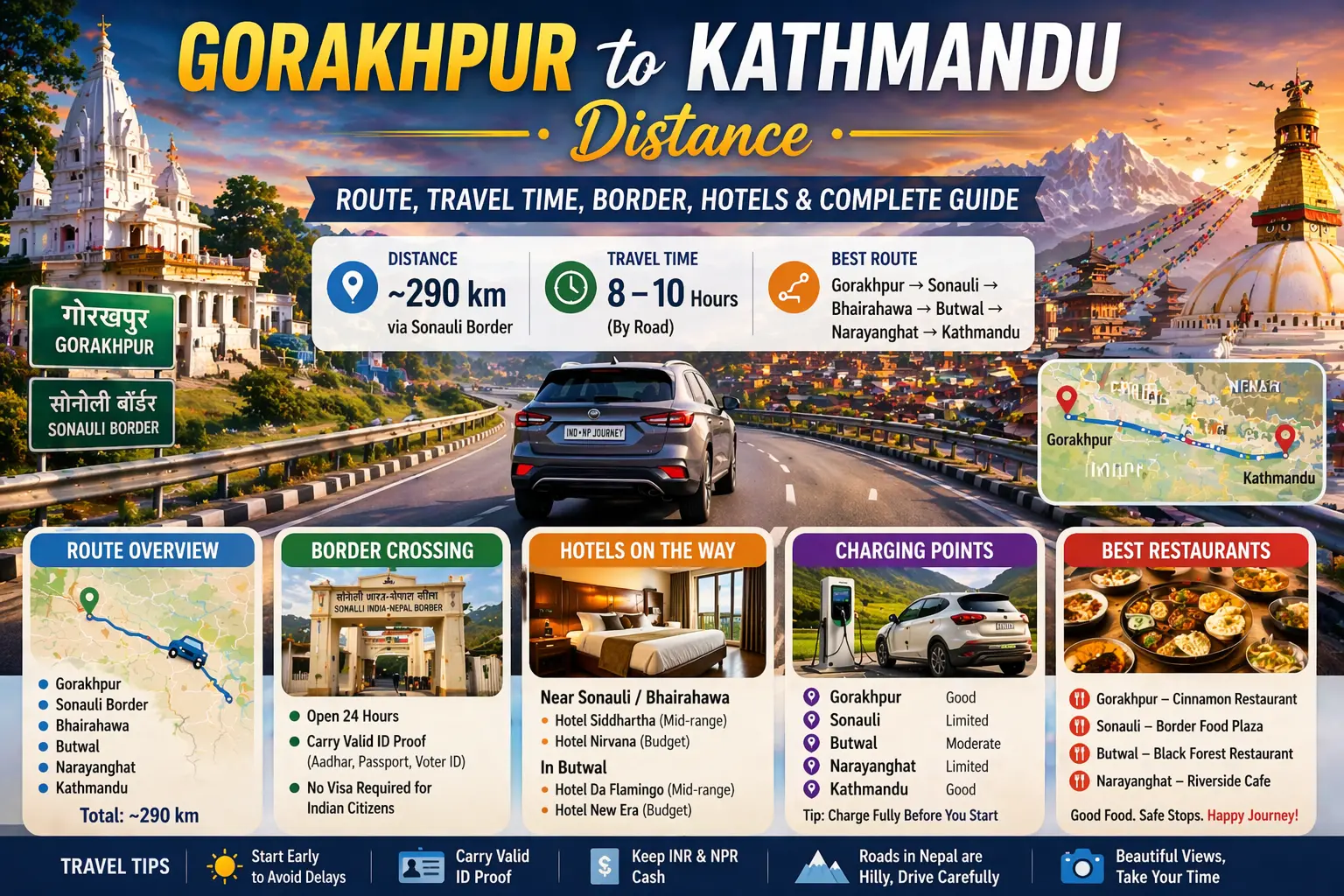
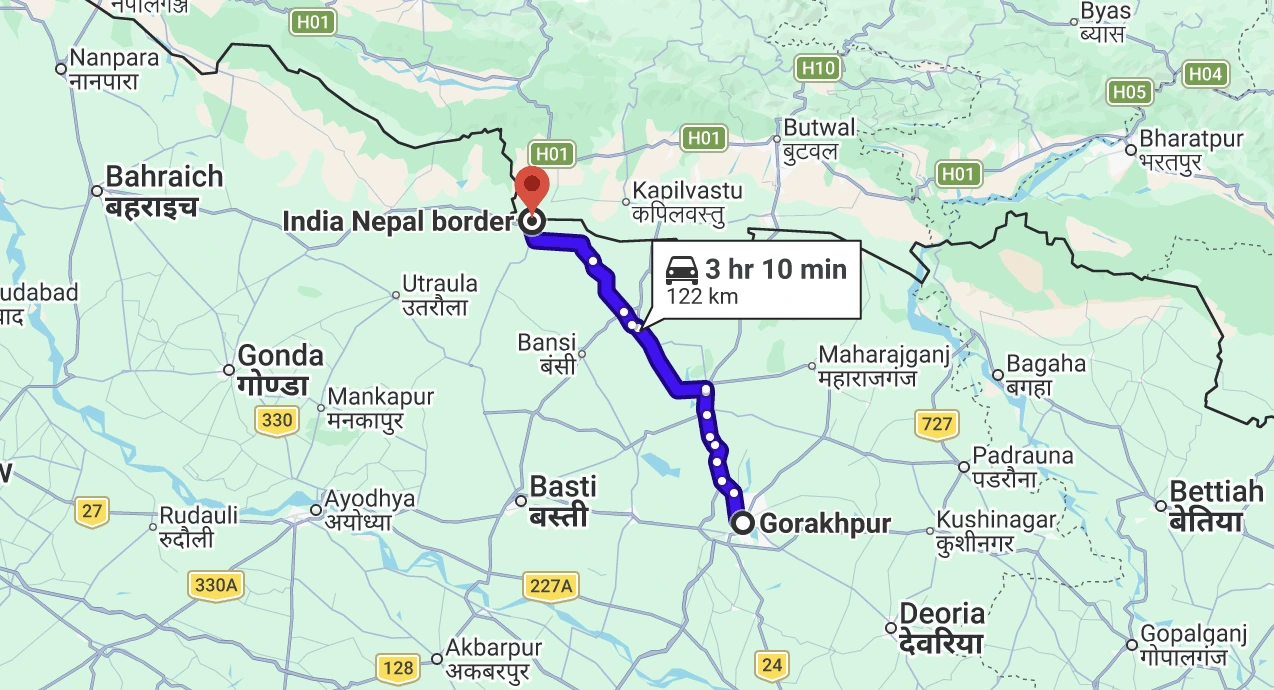
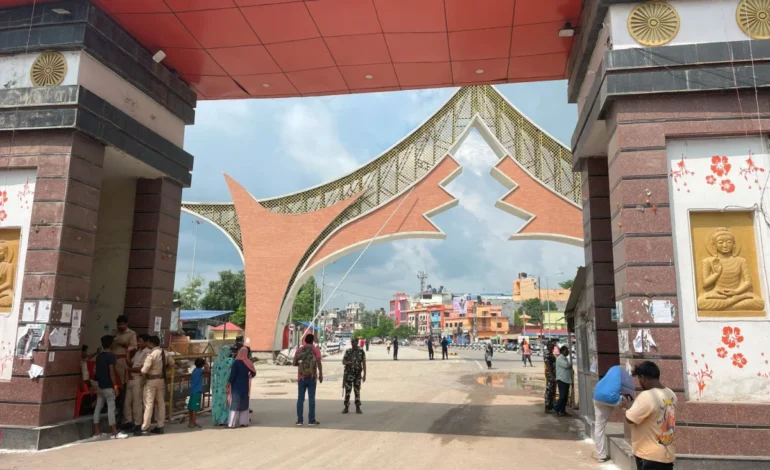
I was planning a road trip from Gorakhpur to Kathmandu through Sunauli border. I asked three different people what documents I need. I got three different answers. My uncle said passport is must. My friend said Voter ID is enough. A travel group on WhatsApp said even Aadhaar works.
All three were partially right. And partially wrong.
That’s the actual problem with Nepal travel information online — everyone gives you half the picture. So after crossing the Sunauli border myself this April, and after talking to people at the immigration counter, let me give you the full picture. No confusion, no half-truths.
First Things First — No Visa Required
Indians do not need a visa for Nepal. This has been the case for decades under the Indo-Nepal Treaty of Peace and Friendship signed in 1950. You walk in, show your document, and you’re through. No fees, no forms, no time limit on your stay.
What you DO need is proof that you’re Indian. And this is where the confusion starts — because the accepted documents are different depending on how you’re travelling.
Travelling by Road — Here Is What Actually Works
If you’re crossing by land through Sunauli, Raxaul, Rupaidiha, Banbasa, or any open border checkpoint, these documents are accepted:
Indian Passport — the easiest and safest option. No questions asked anywhere.
Original Voter ID card — works perfectly at every land border checkpoint. The card must be the original physical card issued by the Election Commission of India.
Original Aadhaar card — yes, it works at land borders in practice. If you’re crossing by road with your original Aadhaar, you will get through. The Sashastra Seema Bal officers on the Indian side and Nepal immigration officers on the Nepal side both check it. This is the ground reality thousands of Indians experience every month.
One thing that matters more than which document you carry — it must be the original. No photocopy. No phone screenshot. No downloaded PDF. The physical card, in your hand, with a clear photograph. If your Aadhaar photo is faded or the card is torn, carry a backup.
Also worth knowing: Nepal launched a new tracking system in early 2026 for recording Indian visitors. Passport, Voter ID, and Aadhaar are all listed as accepted identification under this system. So the ground-level acceptance of Aadhaar is not going anywhere.
Travelling by Flight — Completely Different Rules
This is where Aadhaar stops working, and this is where people get into real trouble at the airport.
For air travel between India and Nepal, only two documents are accepted — a valid Indian passport, or an original physical Voter ID card.
Aadhaar is not accepted for air travel. PAN card is not accepted. Driving license is not accepted. A downloaded or printed copy of your Voter ID is also not accepted — it has to be the original physical card.
If you are flying to Kathmandu and you only have Aadhaar, you may face problems at check-in itself. Airlines follow strict document rules for international travel, and Aadhaar simply does not qualify for flights.
My honest advice — if you are flying, just carry your passport. It removes every possible problem before it starts.
One more thing about Kathmandu airport specifically. When you land, do not join the Visa on Arrival queue. Indians do not need visa on arrival — that queue is not for you. Look for the counter that says “Indian Nationals” or “Nepali and Indian Citizens.” That line moves in five minutes. The visa queue can take an hour.
The Border Stamp Nobody Told Me About
This one I learned the hard way — well, not me personally, but someone I met at the guesthouse in Pokhara.
He had crossed the Sunauli border casually, the way many Indians do — just walked through without stopping at the immigration post for a stamp. Everything was fine for ten days. The problem came when he tried to leave.
Nepal immigration at the Sunauli exit asked for his entry stamp. He didn’t have one. What followed was a two-hour process, some paperwork, and a small fine.
When you enter Nepal by road, always stop at the Nepal immigration office at the border and get your entry stamp. It takes three minutes. It is free. And it protects you completely when you leave.
Special Situations — Children, Senior Citizens, Families
Children below 15 years: No strict document required, but carry their birth certificate. If they’re travelling with both parents, a family photo ID from one parent works.
Age 15 to 18: A school identity certificate issued by the school principal is accepted.
Senior citizens above 65: More relaxed rules apply. PAN card, driving license, or any government-issued photo ID is sufficient to confirm age and identity.
Travelling as a family: If one adult in the group has a valid passport or Voter ID, other family members can support with documents like ration card or CGHS card that show the family relationship. But at least one adult must carry a primary document.
Your own vehicle: If you’re driving into Nepal in your Indian-registered car or bike, carry your vehicle registration certificate, driving license, and proof of citizenship. You’ll need to get a Bhansar pass at the border and pay a customs duty. Your vehicle can stay in Nepal for up to 30 days per calendar year.
Important — The Currency Rule Most People Forget
Your Indian ₹500 and ₹2000 notes are not accepted in Nepal. This is a strict rule and shops, hotels, and border money exchange counters will all refuse them.
Carry ₹100 notes, or exchange your money to Nepalese Rupees before or at the border. The exchange rate is roughly 1 Indian Rupee = 1.6 Nepalese Rupees. You can also use international debit or credit cards in Kathmandu and Pokhara easily, but smaller towns and trekking routes are still mostly cash-based.
The Multi-Country Trip Rule — Read This If You’re Going India → Nepal → Abroad
If your travel plan goes India to Nepal and then onward to any third country — Dubai, Bangkok, Singapore, anywhere — there is one rule that will catch you completely off guard if you don’t know it in advance.
All Indian passport holders travelling from Nepal to a third country must get a Third Country No Objection Certificate from the Embassy of India in Kathmandu. Without this NOC, the airline will not let you board. This applies to everyone, no exceptions.
Apply at the Embassy of India in Kathmandu at least five to seven days before your onward flight. Carry your original passport, a copy of your flight ticket, and the visa for your destination country.
The Simple Summary Before You Pack
By road — Aadhaar original, Voter ID original, or Passport. All three work. No photocopies, no digital copies.
By flight — Passport or original physical Voter ID only. Aadhaar not accepted.
Entry stamp — always get it at the border immigration post when entering by road.
Currency — no ₹500 or ₹2000 notes. Carry ₹100 notes or exchange at the border.
Multi-country trip from Nepal — apply for NOC at Embassy of India in Kathmandu 5 to 7 days before your flight.
My Personal Take
April is honestly one of the best times to visit Nepal. The mountains are clear, the rhododendrons are still in bloom in the higher altitudes, and Pokhara has this quiet energy before the monsoon clouds roll in. Kathmandu’s morning light on the Boudhanath Stupa is something I keep thinking about weeks later.
The border crossing at Sunauli is easier than most people expect. It’s busy, it’s a little chaotic, but it moves. Keep your original document ready, get your stamp, and you’re in Nepal within twenty minutes.
Don’t let document confusion stop you from going. Just carry the right things and go.
Planning to go to Nepal this April or in the coming months? Have a specific question about documents for your situation — travelling with kids, senior parents, or in your own vehicle? Drop it in the comments. I’ll answer from what I actually experienced.